
Jump to
Restore Clarity to Your Life with Precision Cataract Surgery
Michigan’s trusted ophthalmologists offering specialized small-incision cataract procedures designed for speed, safety, maximum comfort, and visual freedom.
Understanding cataracts
What is a Cataract?
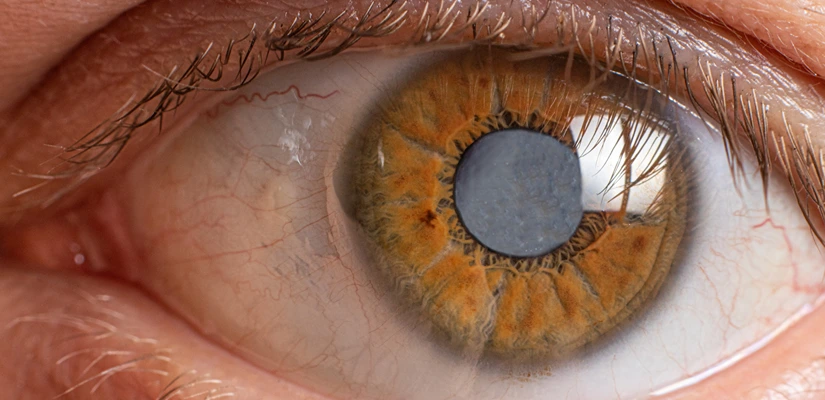
To see clearly, light must pass smoothly through your eye's clear natural lens and focus on the retina at the back of the eye. A cataract occurs when proteins in that lens break down and clump together, creating a cloudy spot that blocks light. Over time, this makes your vision feel increasingly blurry, dim, or washed out.
While cataracts are a normal part of aging, they gradually worsen over time. Stronger prescription glasses can help temporarily, but the only permanent solution is cataract surgery.
During this routine procedure, your surgeon removes the clouded lens and replaces it with an intraocular lens (IOL). Because this new lens provides a major portion of your focusing power, choosing the right IOL is one of the most important decisions you will make for your daily lifestyle.
Know the signs
Common Cataract Symptoms
Cloudy, Blurred, or Dim Vision
Difficulty Seeing at Night or Driving After Dark
Sensitivity to Light and Glare (Oncoming Headlights)
Fading or Yellowing of Colors
Double Vision in One Eye
Frequent Changes in Eyeglass Prescription
Our approach
Procedure Info: Modern Cataract Surgery
At Grosinger, Spigelman & Grey, our state-of-the-art surgical center offers the latest small-incision, no-stitch phacoemulsification cataract surgery.
Why patients choose us
Surgical Experience & Benefits
Quick & Comfortable
Outpatient procedure lasting approximately 15 minutes with local anesthetic eye drops and comfortable twilight sedation (no general anesthesia required).
Advanced Technology
Gentle ultrasonic lens dissolution through tiny, self-sealing micro-incisions that heal naturally without sutures or stitches.
Rapid Recovery
Most patients return home within 30 minutes to recover comfortably and can resume normal daily activities quickly, with improved vision often noticeable by the next day.
Superior Outcomes & Quality of Life
Reduced astigmatism, faster visual recovery, renewed independence for driving and hobbies, reduced fall risk, and improved overall mood and visual safety.
Your surgery day
Step-by-Step Patient Process
1PreparationLocal anesthetic eye drops ensure a pain-free experience while twilight sedation provides relaxing comfort.
2Lens RemovalA self-sealing micro-incision is made. The clouded lens is dissolved via ultrasonic waves and carefully removed.
3Lens ImplantA foldable intraocular lens (IOL) is inserted into position to restore clear vision without stitches.
4RecoveryPatients go home within 30 minutes and resume routine activities rapidly. Patients will usually have eye drops for four weeks after surgery.
5Second EyeIf both eyes need surgery, our surgeons usually perform the two surgeries two weeks apart to ensure safety and smooth recovery process.
Where surgery takes place
Surgical Facility Location
Eye Surgery Center of Michigan
3455 Livernois, Troy, MI 48083 | Phone: (248) 619-2020
Board-certified expertise
Meet your specialists
View all doctors





Ready to see clearly again?
Request Your Cataract Consultation with GSG Eye Surgeons
Cataract surgery is one of the safest, most effective procedures in medicine. Let our experienced team of ophthalmologists help you decide if it's the right time for you.