
Myth #2: Activities that are done up close (i.e. puzzle-solving, reading and/or sewing) can make your cataracts worse.
FACT: NO. There is no correlation with cataract development and using your eyes to see closer or further away. However, when you are doing an activity up close, a cataract will be much more apparent and bothersome. Needing more light to do the same activities throughout your day is also a sign of a cataract.
More myths debunked soon!
 Restoring sight to the blind has proved particularly challenging for scientists, but a new technology combining an eye implant and video-camera-enabled glasses may soon be available in the U.S.
 A trip to your optometrist may not only be sight-saving but potentially lifesaving. Optometrists evaluate the health of your eyes. Most people think of their optometrists as specialists in vision and for prescribing eyeglasses. Optometrists also detect chronic and systemic diseases such as glaucoma, diabetes and high blood pressure.
 Nearly four million Americans have an eye disorder that leads to permanent sight loss, but more than half of them have no idea.
 Epidemiologists have found another nugget of gold in data from the population-based Blue Mountains Eye Study: a strong association between narrowed retinal arterioles and an elevated risk of developing primary open-angle glaucoma (OAG) within 10 years.
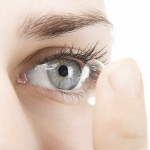 Advanced multifocal contact lens designs continue to reach the market. These designs are more likely than ever to minimize or eliminate reading glasses. “Most contact lens wearers do not like glasses of any kind, so being able to reduce their dependence on reading glasses greatly increases the patients satisfaction with wearing contact lenses”, reports Dr. Henahan. “It can take some time, but I am able to successfully fit multifocal contact lenses about 85% of the time.”
 A new study from Australia may offer a new way of identifying people at risk of glaucoma years before visionloss happens.