
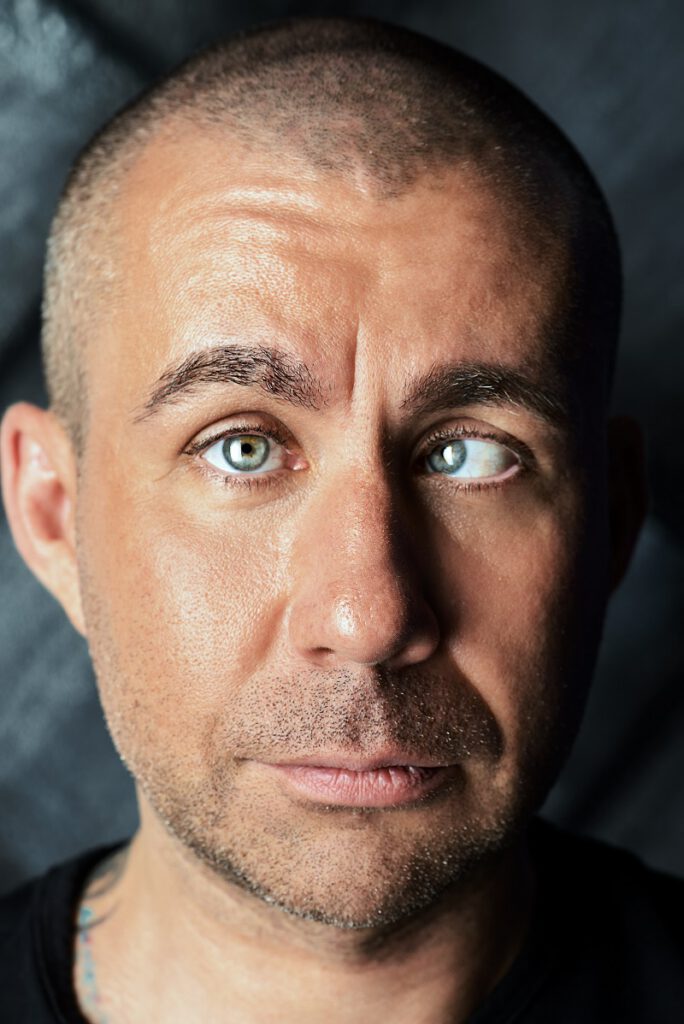
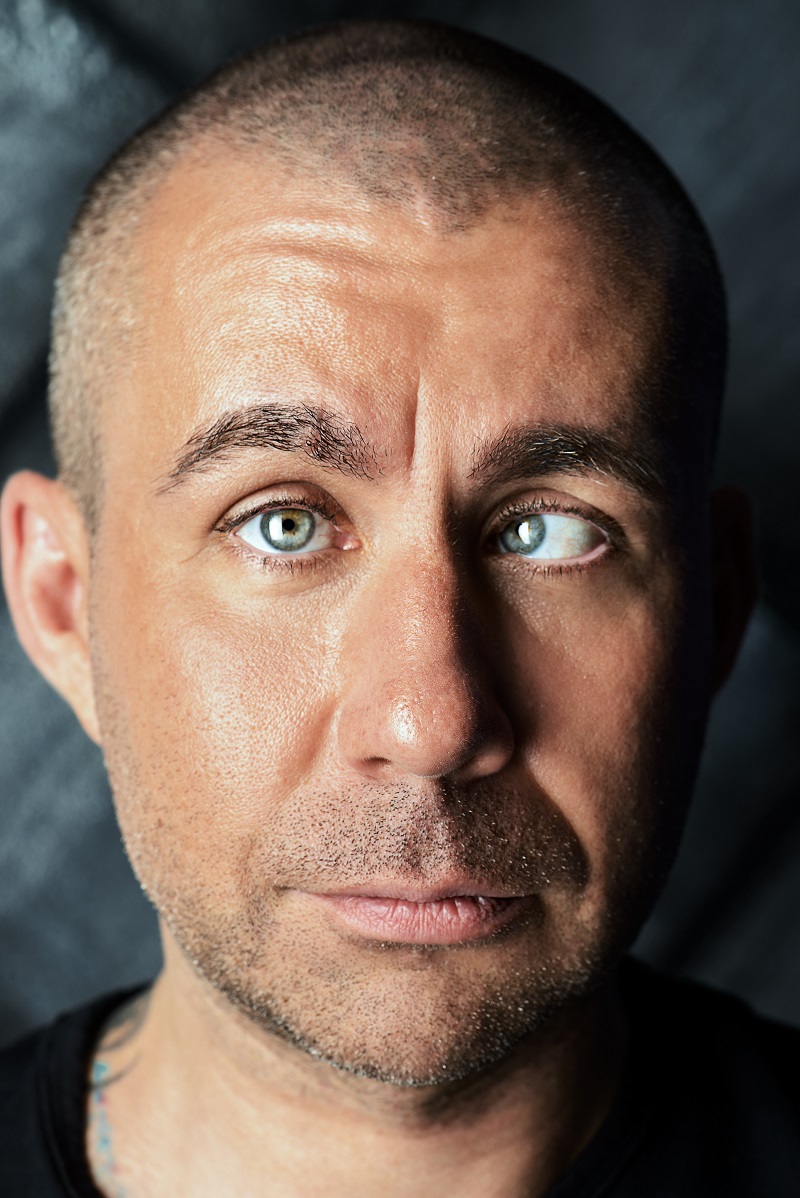
Strabismus, or crossed eyes, affects approximately 4% of people in the United States. There are different types, including esotropia, hypertropia, exotropia, and hypotropia. Patients with the condition will have eyes that are misaligned. This occurs as a result of extreme farsightedness or poor eye muscle control.
The Risk of Strabismus
Family history can increase the risk of strabismus. Parents are more likely to have children who have the condition. People with significant farsightedness that goes uncorrected can also develop strabismus due to one eye compensating.
Some medical conditions also increase risk, including Down syndrome, cerebral palsy, stroke, or suffering a head injury.
Treating Strabismus
Several treatment options are available for strabismus. They include:
- Prism Lenses – These prescription lenses use prisms to reduce the amount of turning the eye must do to view an object.
- Contacts or Eyeglasses – This is all that many patients need to correct strabismus. It corrects farsightedness so that the eye no longer has to compensate.
- Vision Therapy – Includes a structured regimen of activities designed to improve eye focusing and coordination. It trains the eyes and brain to work together. Therapy can be done in the ophthalmologist’s office or at home.
- Surgery – Eye surgery can be used to lengthen or reposition muscles, so they are straight. Vision therapy is usually needed after the procedure to improve coordination and prevent the eyes from misaligning again.
Patients with strabismus should always seek professional advice from an ophthalmologist for treatment. Contact Grosinger, Spigelman & Grey to make an appointment.