To a sweet, happy, and healthy New Year!
To a sweet, happy, and healthy New Year!

The American Academy of Ophthalmology has sponsored this month long awareness with the support of ophthalmologists across the nation to prevent eye injuries. Join the Eye Michigan team in recognizing Eye Injury Prevention Month by increasing awareness on how you can protect your eyes increasing the longevity of your eye health.
Why Eye Injury Prevention Month Matters
We are born with a single pair of eyes, so it is important for us to pay full attention to their health and performance throughout our lives. This month long campaign supporting the prevention of eye injury highlights methods we can all use to reduce the likelihood of injury.
Paying attention to how we protect our eyes plays a major role in promoting healthy vision. Wearing protective eyewear is the easiest way to prevent eye injury. Protective eyewear reduces the chance of injury by 90%. Surprisingly, over 40% of eye injuries are the result of sports and recreational activities. Wearing protective eyewear during these fun activities reduce their threat to your eye health.
Preventing eye injury also involves the use of good judgement. It is important to remain cognizant of your surroundings and the implications of your daily activities. Daily activities such as food preparation, recreational activities, and use of machinery all pose threats to our eye health. While using machinery, be sure to use specified operating protocols to avoid unnecessary exposure to danger.
Similar to wearing a seatbelt while driving, considering your eye health should be the first thing prior to engaging in high risk activities. Many eye injuries are preventable. If you have experienced trauma to the eye, go to the emergency room or see your eye doctor for an immediate examination.
A proactive approach to preventing eye injuries is the best method of protection. To learn more about eye injury prevention, we welcome you to visit the American Academy of Ophthalmology website.

Keep your eyes healthy with these fall eye care tips:
Keep wearing your sunglasses
Even though autumn has arrived, sunglasses are still necessary to keep your eyes protected from UV rays when you are outside during daylight hours. Even when there is cloud cover, UV levels are almost the same as on a sunny day.
Avoid allergens as much as possible
If you suffer from allergies, you should do your best to avoid any allergens in the environment that can trigger eye allergies. Try to drive with your windows up to limit your exposure to outside air. You may also consider installing a new air filter for your furnace or purchasing a portable air purifier.
Wear eye protection
If you are in the process of winterizing your home or doing other work or play that can potentially cause an eye injury, be sure to wear appropriate eye protection. Eye injuries often occur when performing yard work or playing sports and it is best to be on the safe side to reduce this risk.
Wash your hands often
Washing your hands often is the optimal way to avoid the spread of viruses and bacteria during the fall season when the flu and other illnesses start to circulate more frequently. Be prudent to wash your hands before touching your face, as your hands may have pathogens that can lead to conjunctivitis.
The fall is also a great time to schedule an eye evaluation if you have not had one recently. To schedule one today or to ask any questions that you may have about eye care during the fall, contact Eye Michigan at (248)-221-1022.
Glaucoma is a group of diseases which affect the optic nerve of the eye. These diseases can result in a loss of vision or blindness. With early detection, glaucoma is treatable and manageable, but if neglected, can progress to blindness as the result of optic nerve damage.
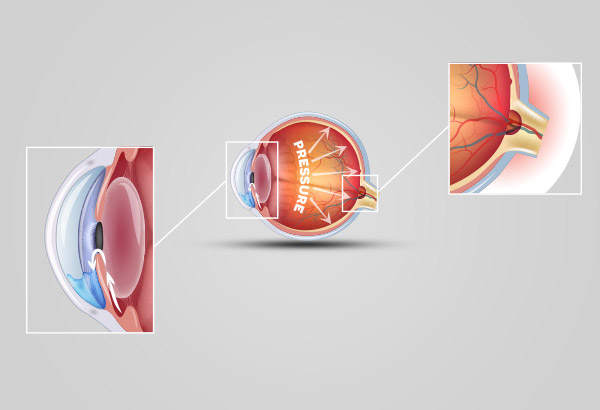
Eye Pressure
A wide range of studies have found that a major cause of optic nerve damage is eye pressure. Pressure inside the eye builds up due to the slow drainage of the fluid in the anterior chamber. The increased pressure causes damage to the optic nerve which in turn results in vision loss, making it essential for patients to control the pressure inside of their eye.
Blood Pressure and Your Vision
High blood pressure is also known to cause further damage. Those who have glaucoma are often required to monitor and reduce their blood pressure. Those who have increased eye pressure may not necessarily develop glaucoma, as some individuals can tolerate higher levels of eye pressure without nerve damage.
The level of pressure that a particular person’s optic nerve can tolerate without being damaged varies. A full eye exam can determine whether or not a person has developed glaucoma and also helps to determine the specific level of eye pressure that is tolerable for the patient.
In order to identify and manage glaucoma, it is critical to have regular eye checkups with your eye doctor.
 Regular eye checkups are the best measure to identify and slow the progression of macular degeneration.
Learn about the various stages of age related macular degeneration.
The Stages of Age Related Macular Degeneration
Age related macular degeneration (AMD) occurs in three stages: Early, Intermediate and Late. During the early stage of AMD, the loss of vision is barely noticeable to the individual. The lack of symptoms in this early stage highlights the importance of regular eye exams, especially for those with risk factors of developing AMD. Early AMD can be diagnosed if medium sized yellow deposits, called drusen, are found underneath the retina.
In the intermediate stage of AMD, there may be vision loss; however, some patients still do not have any noticeable symptoms at this point. Eye exams can determine if there are any pigment changes in the retina or larger drusen. In the late stage of AMD, vision loss is noticeable.
Treatment
At the moment, macular degeneration is considered to be incurable, but there are habits that a person can adopt that may slow down the progression of AMD once a person is diagnosed. This can include stopping smoking, exercising, eating a healthier diet, protecting the eyes from ultraviolet light, and more. The disease is most likely to occur in those who are 55 years of age or older. People of this age should schedule regular eye exams to check for AMD, as well as those who may have macular degeneration risk factors.
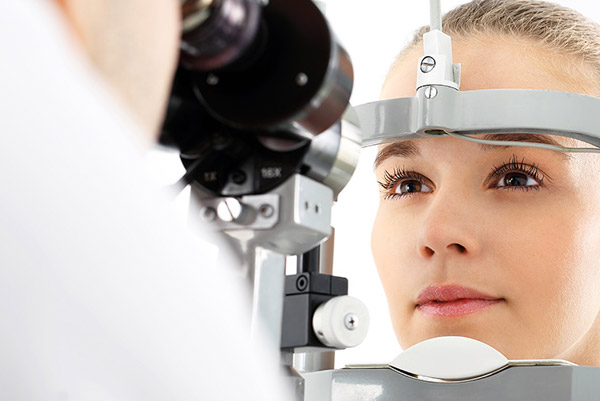 Preventive care is your first line of defense against eye disease. Vision problems tend to increase with age, and early detection can significantly improve treatment outcomes. Although many eye problems are minor, some eye diseases such as glaucoma and macular degeneration can result in a permanent loss of vision. Making the effort to protect your vision now will help prevent these conditions and others that can affect your eyesight.
Below are a few tips for preventing eye disease:
Discuss your family history of eye disease with your Eye Michigan doctor and ask about any other preventative steps that you should take to further lower your risk of eye disease.
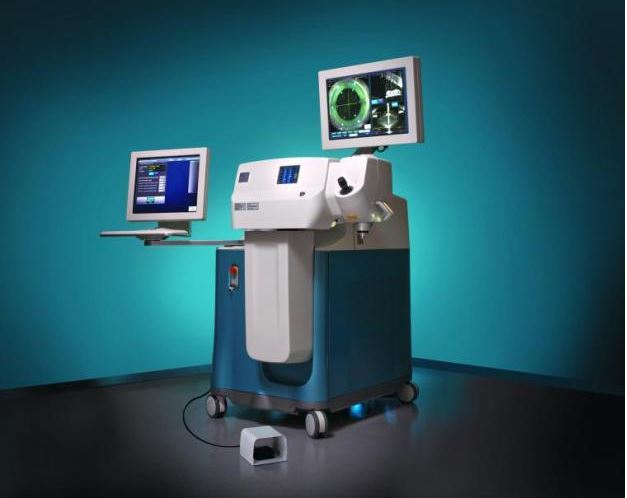
The Alcon LenSx laser is the first femtosecond laser that has been cleared for use in cataract surgery. The laser allows trained surgeons to perform some of the most complex steps in cataract surgery with the assistance of advanced laser technology. The Alcon LenSx is designed to make clean precision on every plane of the anterior chamber of the eye. Grosinger, Spigelman & Grey utilizes this technology to decrease recovery time and improve overall eye health, post-surgery.
The Alcon LenSx laser provides a significant upgrade compared to manual analog surgery. The LenSx laser can also be used to treat presbyopia, a common vision condition which affects many people 40 years of age or older. Presbyopia is the hardening of the lens of the eye, and can lead to major vision loss when not treated. The Alcon LenSx aids the ophthalmologists to perform refractive lens exchange, which involves replacing the eye’s natural lens with an implant, stopping further presbyopia vision deterioration.
Used in more cataract surgeries than any other femtosecond laser in the world, the Alcon LenSx laser is quickly becoming a physician favorite, for good reason. The benefits of using this particular laser for cataract surgery include: precise architecture, OCT imaging technology, versatile fragmentation patterns and an easy to use interface.
It is estimated that the system has been used by over 3,500 surgeons in over 67 countries. To learn more about the Alcon LenSx, please visit our LenSx procedure page. For an appointment, please call our office at (248) 221-1022.

As the fall sports season starts to arrive, it is important to remember that proper eye protection is necessary to avoid sports related eye injuries. With over 25,000 people seeking treatment for sports related eye injuries each year, it is a prevalent problem that can almost always be prevented with eye protection.
Eye injuries occur most frequently in basketball, ice hockey, racquet sports, baseball, soccer, boxing, martial arts, water sports and softball, but they can occur in many other sports as well. Some sports like boxing and full contact martial arts have an inherent risk of serious eye injuries even when precautions are taken.
With hockey, racquet sports, and baseball, a polycarbonate face mask or wire shield can be worn in order to prevent eye injuries. Hockey face masks that are worn for eye protection should be approved by the Hockey Equipment Certification Council.
Protective eyewear with polycarbonate lenses should be used for sports like basketball, field hockey, soccer, and others. The eyewear should meet the requirements set by the American Society of Testing and Materials.
Those who already have an injury in one eye should strongly consider the risks of participating in sports that could potentially injure the healthy eye. Extra precaution should be made to prevent injuries, including wearing protective eyewear at all times.
In general, any sport or activity involving projectiles or potential contact near the face has the risk of an eye injury. For example, fishing is another common cause of eye injuries, and wearing protective eyewear is often advisable.
If you receive an eye injury, seek immediate attention from a certified professional as quickly as possible or go to the emergency room immediately, as delayed medical attention can result in permanent vision loss. Contact Eye Michigan at (248) 221-1022. Click here to learn more about our expert ophthalmologists and practice.

Macular degeneration is a major cause of vision loss that affects over 10 million Americans. In this article, we will break down the two types of macular degeneration. As a degenerative ailment, macular degeneration is more common in those over 40 years of age.
Considered an incurable eye disease, macular degeneration is caused by the deterioration of the center potion of the retina called the macula. This part of the retina is the back layer of the eye used to record the light that we see. This light is sent to the brain via the optic nerve where it is interpreted.
The Types of Macular Degeneration
The macula is the most sensitive area of the eye as it receives the images at the center of a person’s field of vision. When the macula begins to deteriorate vision becomes blurred rapidly. There are two types of macular degeneration: wet and dry. The vast majority (around 90%) of macular degeneration cases are the dry type, while the remaining 10% or so are the wet type.
Dry age related macular degeneration does not involve any leakage of serum or blood from the eye, however, a loss of vision may still occur, while wet macular degeneration involves the loss of blood or serum as well as a more rapid loss of vision.
Patients with the dry form may have good central vision but may have other limitations such as difficulty with reading, fluctuating vision, difficulty seeing at night, and other impairments.
The early stages of dry macular degeneration are usually associated with only minimal vision disruption. To have your eyes checked for macular degeneration, please call the Eye Michigan team of eye care experts at (248) 221-1022 to schedule an appointment. If you would like to learn more about our practice, please visit us online today.