
What Is 20/20 Vision?
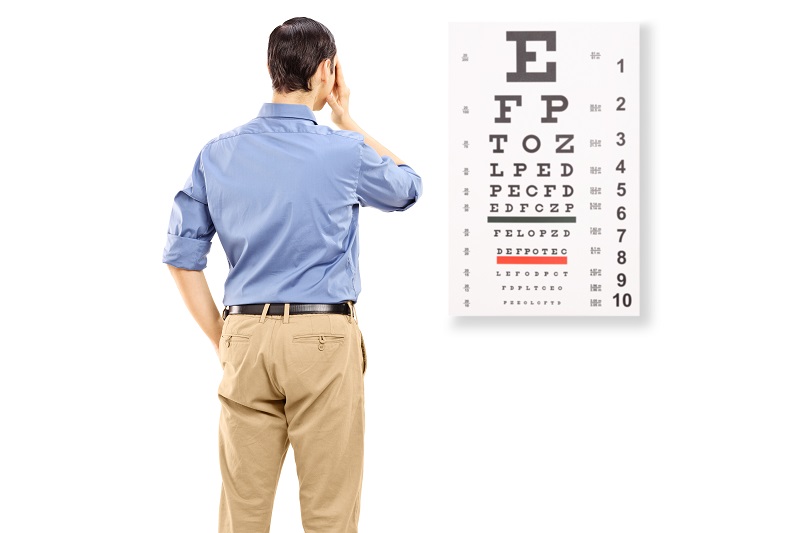
Chances are you have heard the term “20/20 vision” mentioned in relation to eye care. It’s a common phrase, yet many do not know exactly what it means.
Understanding Visual Acuity
Visual acuity refers to the sharpness of a person’s vision. This measurement is taken using one of the most recognizable tests in the ophthalmologist’s office: the eye chart.
The patient remains seated and stationary while looking at a black and white chart with lines of letters or numbers. This is usually hung a short distance away on a wall. The rows get smaller the further down the chart they go. The patient is asked to read the lines down to the smallest size they can see.
Visual acuity is determined by three factors:
- How the cornea and lens focus light
- Nerve sensitivity in the retina and brain
- Brain’s ability to interpret visual data
Breaking Down 20/20 Vision
What do eye charts have to do with 20/20 vision? The measurement is based on Snellen fractions, named for Dutch ophthalmologist Herman Snellen. The first number is the distance between the eye chart and the patient. Doctors in the U.S. usually use 20 feet while other countries prefer six meters.
One of the smaller lines is used as the baseline for normal vision. This is considered the 20/20 line. Anything below that is even smaller and identified by lower numbers (15, 12, 10). If you can read those, then you have better than average visual acuity.
Anything above the 20/20 line is identified by higher numbers (40, 60, etc.). Only being able to read down to one of these larger lines indicates less-than-average visual acuity. The large “E” at the top of the eye chart is considered 20/200. Patients who can only read the “E” while using corrective lenses are considered legally blind.
Find out what your visual acuity is by calling Grosinger, Spiegelman & Grey today and making an appointment at our Bloomfield Hills office. We can help you find the best prescription for the clearest eyesight and make sure that your eyes are healthy.
10 Easy Tips for Healthy Eyes

Good vision starts with healthy habits. By actively taking care of your eyes, you will reduce your chances of disease and injury later in life. What can you do to enjoy clear vision for years to come?
- Eat Healthy and Watch Your Weight – Poor diet and obesity can cause many health problems. A big part of healthy eyes starts with a healthy body. Make sure fruits and vegetables are part of your daily diet.
- Avoid Bad Habits Like Smoking – Bad habits like smoking can cause eye conditions like AMD and glaucoma. Also, avoid drinking alcohol and coffee in excess.
- Check Your Family History – Some eye conditions are genetic. That means you can develop the same ones your relatives have or had. Check your family history, so you know your risk factors.
- Use Protective Eyewear – Wear protective eyewear anytime you engage in activities that could cause eye injury. These include playing sports, working construction, or handling chemicals.
- Follow the 20-20-20 Rule – When using a computer or device with a screen, stop every 20 minutes. Spend this time to focus your eyes on an object that is about 20 feet away for at least 20 seconds to prevent eyestrain.
- Handle Contacts with Clean Hands – Anything that’s on your hands can be transferred to your eyes on your contacts. Always handle lenses with clean hands.
- Don’t Rub Your Eyes – If you have the urge to rub your eyes, don’t. This can allow germs to come in contact with eyes, causing infection.
- Use Quality Facial Products – If you wear beauty products on your face like makeup or lotion, only use quality brands you trust. Knock off products or those of poor quality can contain bacteria or questionable substances that are harmful to eyes.
- Watch for Vision Changes – Talk to a doctor as soon as you notice a change in your vision.
- Have Regular Comprehensive Eye Exams – Regular eye exams allow your doctor to monitor your eyesight and watch for signs of underlying problems. Contact Grosinger, Spigelman & Grey’s Bloomfield Hills offices now to schedule your next eye exam.
Cataract Surgery Improves Driving Performance

Our patients are stunned by their improved sight after cataract surgery. Now there is another reason why not to put off surgery and keep your independence longer.
Australian research found that driving performance increases after cataract surgery. Read article by SciTechDaily.
World Sight Day 2019
Help us bring awareness to the importance of regular eye exams. Together, we can eliminate avoidable blindness. Schedule your appointment today.
Diabetic Eye Disease Awareness
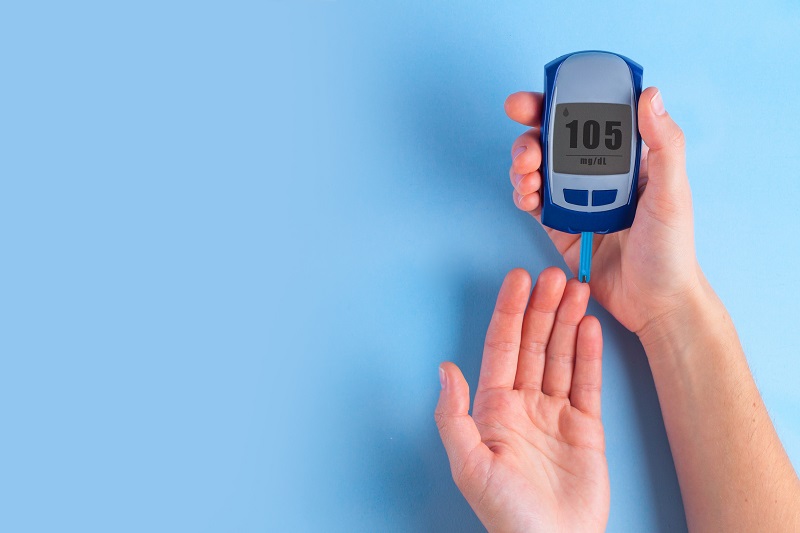
According to the Centers for Disease Control and Prevention, there are over 100 million adults living in the United States that have diabetes or prediabetes. Make sure you understand the signs so you can protect your vision.
- Diabetes Can Cause Multiple Eye Problems
Patients who have diabetes are susceptible to a group of eye problems. These include glaucoma, cataracts, and diabetic retinopathy. The last one is the leading cause of blindness in adults between the ages of 20 and 74.
- There Are No Symptoms in the Early Stages
Experiencing no symptoms doesn’t necessarily mean you are okay. The early stages of diabetic retinopathy show no signs of the disease. You may not notice any problems until the condition has advanced. That’s why it’s vital to take a proactive approach to your eye health.
- If You Have Diabetes, You Need to Be Checked
Everyone should get regular eye exams, but it is especially crucial for people with diabetes. Your eye disease risk is increased. The longer you have diabetes, the more likely you are to develop a problem. Between 40% and 45% of diabetes patients have some diabetic retinopathy.
- Your Medication Will Help Prevent Eye Disease
Always take your medication as prescribed by your doctor. This will help keep symptoms under control. It can also slow or prevent problems that could affect your vision.
- Good Health and Weight Are Important
Along with sticking to your medication regimen, you should also take steps to live as healthy a lifestyle as possible. Keep your weight where it should be and eat a nutritious diet. These changes can help lower your risk of diabetic eye disease.
If you have diabetes or prediabetes, let us know. Schedule an appointment with Grosinger, Spigelman and Grey, Bloomfield Hills ophthalmologists, and take the first step in protecting your vision.
The Effects of Blue Light

Screens have become a normal part of life in modern society. We use them to work, watch television, play video games, look at the weather, etc. The average adult consumes five times more information daily than they did over 50 years ago. Much of this is due to the increased use of computers, mobile phones, and the internet. It’s not uncommon for the average person to spend seven hours or more a day looking at a screen.
Blue Light and Your Eyes
The issue isn’t so much the screen itself but the blue light being emitted by the screen. You can look at a screen and generally experience no long-term side effects. However long exposure to blue light can cause damage to your eyes.
A recent study funded by the National Eye Institute (NEI) found that children’s eyes absorb more blue light from screens than adults do. Which can be seen today when we give our child a screen to keep them busy while we carry on with our day to day responsibilities. Other studies suggest that continued exposure can lead to retinal cell damage.
You may also notice the symptoms of eye strain. If you experience dry eyes, fatigue, or headaches, it may be time to cut down your screen usage.
Protecting Your Eyes from Digital Screens
Changing your habits can help protect your eyes from the side effects of lengthy screen time. You can:
- Always hold screens 20” to 26” away from eyes and a little below eye-level
- Change lighting to lower glare and reflections or use glare filters
- Sit in a chair that allows you to adjust your position
- Wear computer glasses that block blue light
- Use anti-reflective lenses to increase contrast and lower glare
During your appointment, ask us how to protect your vision from digital screens. Our ophthalmologists have studied these topics and can answer your questions and help you develop habits that keep your eyes healthy.
Wishing You a Sweet Rosh Hashanah

To our family, friends and patients who celebrate, Grosinger, Spigelman & Grey wishes you much health and happiness this Rosh Hashanah.
Over-the-Counter Readers vs. Prescription Glasses
Most adults need some vision support by the time they reach age 40. Some go to an eye doctor to get a pair of prescription glasses. Others head to the local pharmacy or retailer to pick up a pair of over-the-counter (OTC) reading glasses. Which option is the best choice for your eyes?
Pros of Over the Counter Glasses
- OTC glasses don’t require an examination to buy
- You can bring OTC glasses home the same day you buy them
- OTC glasses cost less than buying prescription eyewear
- Some OTC glasses come with UVA/UVB protection
Cons of Over the Counter Glasses
- Lens quality may be low or inconsistent with bubbles or imperfections
- You won’t find a pair that’s made specifically for your vision needs
- Same prescription used in both lenses even though most people have a stronger eye
- You may have to search for a pair that offers the strength you need
- Skipping the exam means you won’t know if you have a developing eye condition
Pros of Prescription Glasses
- Lenses are made based on your exact prescription for optimum sight
- Lens quality is consistent, so you get the clearest vision possible
- A different prescription can be used in each lens
- Lets your doctor build a record of your eye health
- Exams can reveal changes or conditions you didn’t know you had
Cons of Prescription Glasses
- Prescription glasses cost more than OTC eyewear
- You may have to wait days or weeks for your glasses to arrive
- You will have to schedule an exam to get your prescription
While OTC glasses may be cheaper and easier to buy, they are not the best option in the long run. Everyone should have regular eye exams to check for conditions like glaucoma and cataracts. Prescription glasses will perform better and are tailored to your vision needs.
It may not hurt to have a pair of OTC readers available to put on as a backup, but in the end, it’s best to get prescription. Contact Grosinger, Spiegelman & Grey to schedule a comprehensive eye exam.
Healthy Aging and Your Eyes

Your eyesight will change as you grow older. It’s important to understand what’s normal, what isn’t, and when to see an ophthalmologist.
Common Age-Related Eye Problems
The problems listed here are common and can be treated. However, you should not delay in seeking medical advice. They could be a sign that something else is going on.
- Presbyopia – You may notice the gradual loss of your ability to see small print or close-up objects. This is a slow change that will happen as you age. You may also notice increased eye strain and headaches. Reading glasses usually correct the problem.
- Excessive Tearing – Your eyes may become sensitive to wind, light, or changes in temperature. This can lead to excessive tearing. Protecting your vision with sunglasses or eye drops can help. It could also indicate that you have a blocked tear duct, which should be addressed by a doctor.
- Floaters – Floaters look like cobwebs or specks in your field of vision. You can see them in bright light. While they are normal, they can also be a sign of a detached retina.
- Eyelid Issues – Older people sometimes experience eyelid problems. This can include redness, itching, and swelling. If you notice discomfort, you could have blepharitis, which can be treated with warm compresses.
When Should I See an Ophthalmologist?
You should schedule an ophthalmologist appointment right away if you notice sudden changes in your vision. You should also seek advice if you have:
- Eye pain
- Double vision
- Flashes of light in your vision
- Unexplained eye swelling
It is very important to have routine exams. Regular ophthalmologist visits are a big part of healthy aging. Some eye diseases can be treated if caught early. Contact Grosinger, Spigelman & Grey’s Bloomfield Hills office today to schedule your appointment.