

#EyeMichigan #GrosingerSpigelmanGrey #MerryChristmas #HappyHolidays
#EyeMichigan #GrosingerSpigelmanGrey #MerryChristmas #HappyHolidays
The vast majority of cataract surgeries are completed without incident with outstanding outcomes. While it is very rare, complications can happen. When they do, it’s vital that the surgeon knows how to react and repair the damage quickly. Some cases may require an anterior vitrectomy. While there may be situations where the procedure is planned, it is usually not. When it’s needed, the surgeon must act fast to improve the patient’s outcome.
What Is the Vitreous?
The vitreous is a gel-like material that fills the eye’s interior. It’s made of 98% to 99% water and houses a network of collagen bundles. It allows the eye to maintain its round shape. Intertwined fibers within this area are connected to the retina.
What Is Anterior Vitrectomy?
The term vitrectomy describes surgery that is used to remove some or all of the vitreous humor from an eye. Anterior vitrectomy focuses on removal of vitreous humor from front structures in the eye. This is done because they have become entangled within an intraocular lens or other parts.
How Long Does an Anterior Vitrectomy Take?
The total duration of the procedure may vary depending on the individual situation. Some may be completed in as little as 30 minutes while others could take more than three hours. Your surgeon can provide a time estimate.
Complications of Vitrectomy
Most patients should see positive results after a vitrectomy. Problems during surgery can lead to complications like drooping eyelid, mild bleeding, increased eye pressure, double vision, and dilated pupil.
Will My Vision Improve?
Every patient is different, which means results may vary. If you have questions about a procedure or the risks of cataract or any other eye surgery, contact Eye Michigan at our Southeast Michigan ophthalmologist office to schedule an appointment.
#EyeMichigan #GrosingerSpigelmanGrey #AnteriorVitrectomy #CataractSurgery

#EyeMichigan #HappyHanukkah #Hanukkah2017 #FestivalofLights
LASIK stands for laser-assisted in situ keratomileusis. It is commonly used to correct nearsightedness (myopia), farsightedness (hyperopia), and astigmatism. It involves cutting a thin flap in the patient’s cornea with a microkeratome blade or femtosecond laser. The cornea is reshaped to match a pre-determined pattern to improve eyesight.
Does LASIK Surgery Work?
Britain’s National Institute for Health and Clinical Excellence reported as far back as 2006 that LASIK surgery is “safe and efficacious for use in appropriately selected patients.” Surveys conducted on post-surgery patients indicate a 92% to 98% satisfaction rate. A small percentage of patients require additional surgery due to over or under correction during their initial procedure. For many, LASIK proves to be an effective alternative to wearing contacts and eyeglasses and has been safe and effective.
What Are the Risks of LASIK Surgery?
Most patients experience no complications during or after LASIK surgery. That being said, every surgical procedure has some risk. Common complications and side effects include:
If you are curious about the benefits and risks of LASIK, now is a great time to learn more. Call Eye Michigan and make an appointment with one of their board certified, experienced ophthalmologists to schedule a consultation.
#EyeMichigan #LASIKSurgery #GrosingerSpigelmanGrey #ClearVision

Most know the benefits of cataract surgery improving the quality of life but a study indicates that cataract surgery may actually lower your risk of death.
Read article published by the New York Times.
#EyeMichigan #CataractSurgery #QualityofLife #SurgicalStudy

Computer eye strain is a growing issue in today’s technology-driven society. More people spend hours staring at monitors and devices for work and entertainment. What can you do to protect your vision from computer-related eye strain?
Schedule routine eye exams to watch for changes or problems with your vision. Even if you do not spend a lot of time looking at a screen, annual exams are a good way to maintain health and eyesight.
Poor lighting can cause eye strain. Soften harsh light and make sure all ambient light is half as bright as illumination used in an office setting. You can also close blinds, shades, or drapes to reduce bright natural light.
Light shining on reflective surfaces can cause glare. Reduce this as much as possible by using matte paint in darker colors on walls and décor. You can also use a computer hood to help stop glare.
Periodically look away from your screen to give your eyes a rest. Focus on an object that’s 20 feet or more away from you for 20 seconds. This should be done at least once every 20 minutes.
Take frequent breaks and keep tabs on your computer time. Spend time engaging in other activities that do not involve a screen.
Keep eyes moist by blinking frequently. This helps stop dryness and prevents irritation.
You can visit your ophthalmologist to learn more about computer eyewear. This is another way to protect your eyes when working on devices with screens.
Contact Eye Michigan if you are having any symptoms or are due for your comprehensive annual eye exam. We look forward to your visit and helping you maintain healthy eyes.
#EyeMichigan #ComputerEyeStrain #HealthyVision #EyeExam #ComputerEyewear

The Eye Michigan team wishes you and your family a happy Thanksgiving. In the holiday spirit, we take time to remember all the wonderful patients we serve. We are grateful to know you and that you choose us for your ophthalmic needs.
Our team recognizes and are humbled that we are able to change lives every day. The services we offer are grounded by a deep passion for helping improve patient’s vision and overall quality of life.
Thanksgiving is a great reminder to give thanks to the people in your life. From the Eye Michigan family to yours, Happy Thanksgiving!
#EyeMichigan #HappyThanksgiving #GivingThanks

Age brings on significant changes in our bodies. Wrinkles deepen, hair grays, and our eyesight starts to diminish. Activities that were once easy may become more challenging. One of the most common changes people notice as they get older is the inability to read without the aid of eyewear.
What Happens to My Eyesight as I Age?
Adults may notice changes in their eyesight starting in their mid-40s. This will usually appear as a difficulty seeing objects or text up close.
This condition is known as presbyopia. It’s completely normal and happens as the lens inside the eye begins to harden. At first, you may be able to compensate by holding your reading material in a different position or using better lighting. Eventually, you may need a pair of reading glasses.
Increased Risk of Poor Eyesight
Diminished eyesight is a very natural part of the aging process. While it is normal, there are things we may be doing that will speed the process along or make it worse. The following activities and conditions can increase your risk of poor eyesight as you age:
It’s okay to need help seeing as you get older. The best way to keep your eyesight at its best is to visit your ophthalmologist regularly. Talk to your Eye Michigan doctor to learn more about how to take good care of your eyes as you age. Make an appointment today!
#EyeMichigan #Presbyopia #VisionScreening #HealthyVision
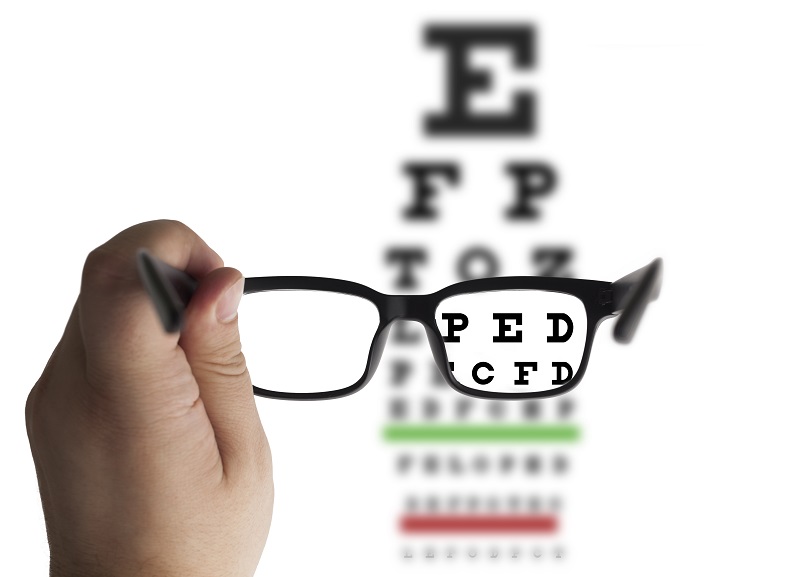
Amblyopia, better known as lazy eye, is a condition that prevents one eye from focusing properly. The affected eye appears normal but does not function as it should because the brain is relying more heavily on the other eye.
Causes of Lazy Eye
Any condition that doesn’t allow the eye to focus can cause amblyopia. It can also be brought on by strabismus, or the misalignment of both eyes. Patients with strabismus may have eyes that turn out or cross. Cataracts can also cause lazy eye.
Lazy Eye Treatment
Patients who wear glasses may notice some vision improvement, but this will not completely correct the condition. The brain becomes accustomed to seeing the blurry image of the affected eye, which means it must re-learn how to use it.
To do this, the normal eye can be covered with a patch. This may be done for several hours daily or all day. Treatment may take weeks or even months. People who have trouble wearing the patch can be given a prosthetic contact lens that stops light from entering the good eye.
Atropine eye drops may be used instead. One drop is placed in the patient’s good eye each day to blur vision and force the brain to strengthen the lazy eye.
Adults with lazy eye or anyone who notices changes in their vision should contact one of our ophthalmologists to learn more about diagnosis and treatment options. Contact Eye Michigan for an appointment today.
#EyeMichigan #Amblyopia #LazyEye
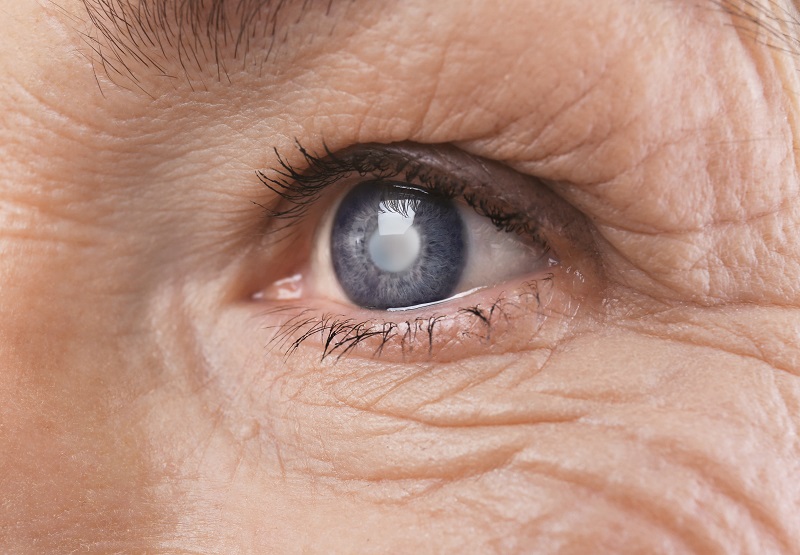
Cataracts are a common sign of aging that can cause a loss of vision. Cataracts appear when protein in the eye begins to clump together. It’s important to see your doctor regularly to monitor changes in your sight as you grow older.
Cataract Symptoms
Cataracts usually take a long time to form, so the changes they cause may not be obvious until the condition has worsened. Common cataract symptoms include:
Diagnosing Cataracts
If you experience any of the above symptoms, you should visit your ophthalmologist. They will review your medical history and perform tests to verify the diagnosis. These tests may include a visual acuity test with an eye chart, a slit-lamp exam that lets the doctor see structures in your eye, and a retinal exam which uses eye drops to dilate the pupils.
Cataract Treatment
People with cataracts can restore their vision with the help of their doctor. Surgery is the only treatment option that works effectively. During the procedure, your ophthalmologist will remove the cloudy part of the lens and replace it with an artificial lens.
Cataract surgery is very successful. A few patients experience hazy vision after cataract removal. This can happen if the capsule clouds. An ophthalmologist can perform a capsulotomy, which uses a laser to clear the area. If you have cataracts or notice a change in your vision, make an appointment with an Eye Michigan board certified, experienced ophthalmologist for a comprehensive eye exam to get answers and learn about treatment options.
#EyeMichigan #GrosingerSpigelmanGrey #CataractSurgery