
Nurses should be thanked daily for their important work but we will do it publicly during National Nurses Week. We appreciate all you do!
Nurses should be thanked daily for their important work but we will do it publicly during National Nurses Week. We appreciate all you do!
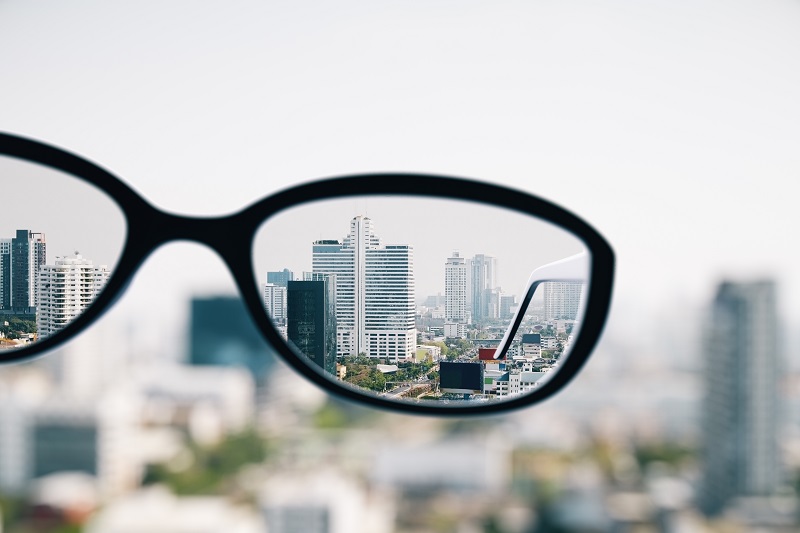
Blurry vision occurs when your eyesight loses sharpness. Things may look hazy or out of focus. It’s usually caused by refractive errors like farsightedness or nearsightedness. It can also be an indication that something is going on that needs addressed by a medical professional.
Common Causes of Blurry Vision
Many conditions can cause blurry vision. Some of the most common causes include:
If you experience unexplained or prolonged blurry vision, talk to a medical professional. Contact Grosinger, Spigelman & Grey Bloomfield Hills office today to schedule an appointment.

Age brings on significant changes in our bodies. Wrinkles deepen, hair grays, and our eyesight starts to diminish. Activities that were once easy may become more challenging. One of the most common changes people notice as they get older is the inability to read without the aid of eyewear.
What Happens to My Eyesight as I Age?
Adults may notice changes in their eyesight starting in their mid-40s. This will usually appear as a difficulty seeing objects or text up close.
This condition is known as presbyopia. It’s completely normal and happens as the lens inside the eye begins to harden. At first, you may be able to compensate by holding your reading material in a different position or using better lighting. Eventually, you may need a pair of reading glasses.
Increased Risk of Poor Eyesight
Diminished eyesight is a very natural part of the aging process. While it is normal, there are things we may be doing that will speed the process along or make it worse. The following activities and conditions can increase your risk of poor eyesight as you age:
It’s okay to need help seeing as you get older. The best way to keep your eyesight at its best is to visit your ophthalmologist regularly. Talk to your Eye Michigan doctor to learn more about how to take good care of your eyes as you age. Make an appointment today!
#EyeMichigan #Presbyopia #VisionScreening #HealthyVision
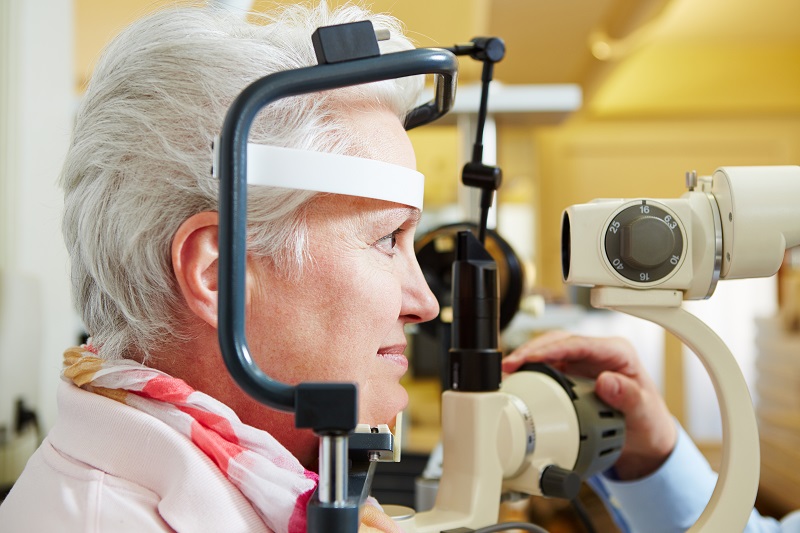
When it comes to the anatomy of the eye, the lens and cornea are are in close contact with the elements of the outside world—hence the obvious possibility of damage and disorders. The cornea is the outermost layer of tissue, while the lens is the transparent tissue behind the iris and pupil that actually works to focus images onto the retina for transmission to the brain. Disorders affecting either of these layers can cause significant visual difficulty.
There are a variety of possible corneal disorders, including refractive errors (astigmatism, nearsightedness, presbyopia, farsightedness, etc.), dystrophies (clouding of the cornea), injuries, infections and allergies. The treatment for such disorders depends on the type and severity of the issue, but may include oral medicines, topical eye drops, laser surgery and/or a complete corneal transplant.
Disorders of the lens may include cataracts (clouding of the lenses), lenticonus (the development of a cone-shaped lens), rupture, dislocation, lenticulocorneal adhesion (where the lens and cornea are joined together), and others. Cataracts are the most common lens disorder, occurring in various forms as a result of numerous causes. Cataracts generally cause a clouding of vision, creating a blurred view of the world that can, eventually, lead to partial or total blindness.
Fortunately, lens and corneal issues like cataracts and nearsightedness can often be easily taken care of with the help of outpatient laser eye surgery. Your ophthalmologist will work with you to discuss your eye health and perform a full examination to determine whether you are a good candidate for such corrective surgeries. Contact Eye Michigan to make an appointment with one of our ophthalmologists to learn about your options.