

#GrosingerSpigelmanGrey #EyeMichigan #MichigansLeadingEyeCarePhysicians #HappyEaster #EasterWeekend #Easter2018
#GrosingerSpigelmanGrey #EyeMichigan #MichigansLeadingEyeCarePhysicians #HappyEaster #EasterWeekend #Easter2018

#GrosingerSpigelmanGrey #EyeMichigan #MichigansLeadingEyeCarePhysicians #HappyPassover #Passover2018
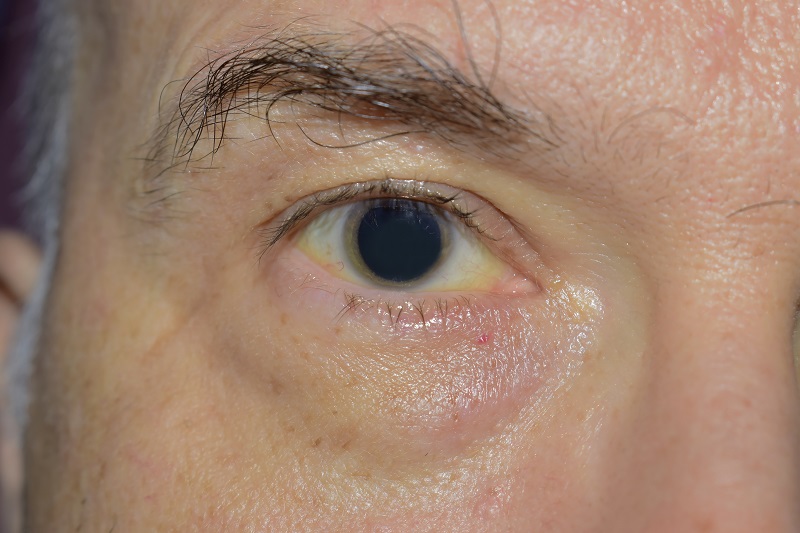
Cornea surgery may be required for patients who have suffered eye damage. There are several possible causes including disease, injury, keratoconus (cornea bulging), scarring, or issues caused by a prior surgery. What should you expect before and after undergoing a corneal transplant?
Talk to Your Ophthalmologist First
Your ophthalmologist can explain the reason for the procedure and answer any questions you have. They will also need to know if you take any medications and if you have other health issues. You may be advised to stop taking blood thinners if you are currently prescribed any.
You may be asked to visit your general practitioner for a physical to ensure that you are healthy before the transplant.
Find Someone to Drive You Home
Make arrangements to have someone drive you home after your surgery. It will not be safe for you to attempt to get behind the wheel after the procedure.
The Procedure
Your doctor will apply eye drops. You may also be given medication to help you relax. General anesthesia will also be used, so you do not feel the procedure. You will be able to see little to nothing during the surgery.
The doctor can approach your transplant one of three ways based on your medical needs:
Cornea Surgery Recovery
You will need to return to your ophthalmologist the following day for a follow up. Stitches may be removed. You will be prescribed eye drops and may need to wear glasses or a shield to protect the eye.
If your vision is preventing you from performing routine daily tasks, you may need cornea surgery. Contact Grosinger, Spigelman & Grey Michigan’s Leading Eye Care Physicians in southeast Michigan for an appointment to schedule an exam.
#EyeMichigan #GrosingerSpigelmanGrey #Ophthalmologist #MichigansLeadingEyeCarePhysicians #EyeSurgery #CorneaSurgery
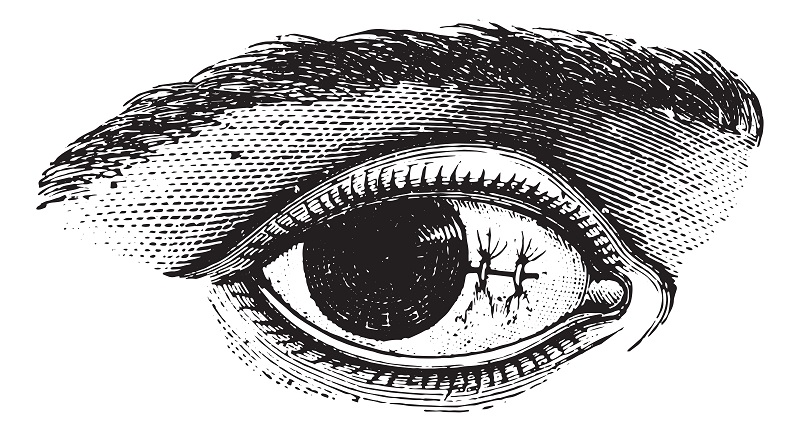
A pterygium is a condition that causes an elevated wedge-shaped area on the eyeball that begins in the white region, or sclera, and can stretch into the cornea. It’s often referred to as “Surfer’s Eye” even though people who have never touched a surfboard can still experience it. It occurs as a result of spending hours in bright sunlight. People who swim, boat, or otherwise spend time on or around water on sunny days are at a greater risk because of UV rays that are reflected into the eye.
Pterygium Causes & Symptoms
UV radiation is the primary cause of pterygium. Dust and wind can also aggravate the problem. It’s more likely to appear in the eyes of adults ages 30 to 50. People with light skin and eyes are at a greater risk. You may be experiencing Surfer’s Eye if you notice:
Pterygium Treatment
Many cases are mild and do not require medical attention. The recommended treatment will vary based on the severity of the problem. If the pterygium moves too far into the cornea, it can change the shape of the eye and cause astigmatism and other vision changes. A small pterygium may be treated with steroid eye drops.
In cases that are more severe and involve the cornea, pterygium surgery may be recommended. There are usually no visible scars left after the patient has healed. The patient may experience some discomfort, but it’s generally very minor and can be managed with over-the-counter medications and an ice pack. As the weather is turning warmer causing more people to spend time outdoors, this is a great occasion to remind everyone to wear UV blocking sunglasses.
If you think you are experiencing Surfer’s Eye, contact Grosinger, Spigelman & Grey, Michigan’s Leading Eye Care Physicians, located in Southeast Michigan to schedule an appointment.
#GrosingerSpigelmanGrey #EyeMichigan #SurfersEye #PterygiumSurgery #FirstDayofSpring #UVSunglasses

Workplace Eye Wellness Month is coming this March. It’s a good time to evaluate your current work habits to look for ways to keep your vision safe while at work. When most people think of careers with risks, they usually envision construction or other fields that require physical labor and machinery. The reality is that many other professions also come with risks, like office jobs that involve the use of computers.
Check Your Eyewear
Always use proper eyewear at work. The right type will depend on the job you are doing. Office jobs may only require a pair of prescription glasses or contacts as needed. Professions that involve tools, machinery, or chemicals may demand heavy-duty safety goggles.
Make sure your eyewear is in good, functioning condition and replace or repair immediately as needed. Even if you don’t need goggles, your prescription glasses or contacts should always be the correct strength to prevent eyestrain. Talk to your ophthalmologist right away if you notice a change in your vision.
Follow the 20-20-20 Rule
The 20-20-20 rule is very important today with more jobs involving the use of computers. This guideline prevents digital strain by setting a time limit for your eyes. The rule states that after 20 minutes spent looking at a computer screen, you should stop and focus your eyes on an object that is 20 feet or more away for at least 20 seconds.
An Eye-Friendly Workspace
Setup your workspace so that it is eye-friendly. Keep protective gear you need close by and use it. When working on a computer, use an anti-glare screen and position the monitor at a right angle away from light sources.
Also, remember to undergo regular comprehensive eye exams. Contact Grosinger, Spigelman & Grey Michigan’s Leading Eye Care Physicians to schedule an appointment.
#GrosingerSpigelmanGrey #EyeMichigan #MichigansLeadingEyeCarePhysicians #WorkplaceEyeWellnessMonth
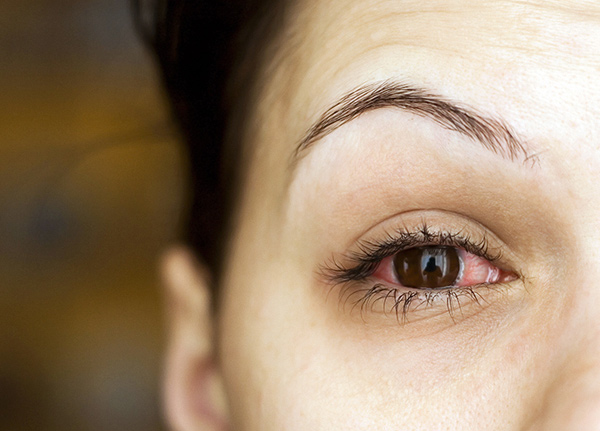
There are many natural and manmade eye irritants that we come in contact with on a regular basis. It’s important for everyone to know how to identify irritants and figure out the best course of action to treat them.
Foreign Objects in the Eye
Foreign objects can be anything from makeup and contact lenses to dirt and glass. You may be able to gently remove the irritant with your finger. Tears may force the irritant out. If you notice discomfort, pain, and redness and cannot remove the object, you may need to see an eye doctor. You should also see an ophthalmologist if you notice bleeding or if the debris prevents you from closing your eyes.
Chemicals in the Eye
Household and industrial chemicals can be very hazardous to eyes. Always wear protection when working with these substances. If one gets in your eye, immediately wash it out with saline solution or clean water for a minimum of 15 minutes. You may need to hold your eyelids apart while washing.
Eye Trauma
Eye trauma can happen after suffering a blow to the eyes. This can occur while playing sports, working, or while engaging in everyday tasks. If you experience eye trauma, place a cold compress on the eye, but do not apply pressure. Seek medical attention immediately.
Eye Puncture Wounds
Eye puncture wounds can be very upsetting. If your eye is punctured, you should obtain emergency medical care. Do not rub the eye. Try to find an object you can place over the injury to provide protection, like a paper or foam cup.
If you have an eye emergency, call 911. Time is of the essence. If you engage in high-risk activities, speak with your ophthalmologist for recommendations for eye protection to reduce your risk of injury.
#EyeMichigan #GrosingerSpigelmanGrey #MichigansLeadingEyeCarePhysicians #EyeTrauma #EyeIrritants

Millions of people undergo cataract removal surgery each year. The procedure involves removing the cloudy area that forms on the lens of the eye. An artificial lens is then added to restore vision. While it is very common, the thought of having a cataract removed can be intimidating. Here are four things you should know when preparing for surgery.
Patients are usually awake for cataract removal. This eliminates the risks that come with anesthesia. You will be given an oral medication to make you feel relaxed and calm. Those with anxiety may ask for an IV medication. Numbing eye drops are also used.
Routine cataract removal surgery is NOT painful. Most people feel very relaxed or drowsy during the procedure because of the sedatives used.
After sedation, your doctor will use a microscope to view the eye. He will make a small incision and carefully remove the cloudy part of the lens. He will then place an artificial lens in your eye. Some doctors use small stitches to close the cut while others may use a suture-less self-sealing method. The process usually takes less than 30 minutes.
You will most likely be directed to a recovery room to wait until sedation wears off. The rate of healing will vary from one patient to the next. Some report clear vision after several hours while others need a week or more.
Contact Grosinger, Spigelman & Grey ophthalmologists to learn more about cataract removal surgery or to schedule an appointment.
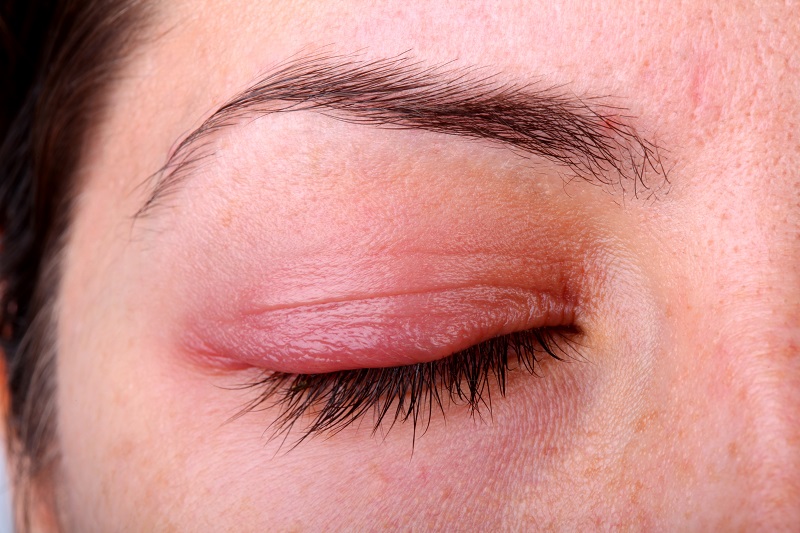
A cyst that grows on the eye is a cellular-lined sac. It usually contains fluid but can form with solid material. The term conjunctival cyst refers to a growth that appears on the back of the eyelid. This can cause discomfort and even tearing or inflammation. Even if the condition seems minor at first, you should seek the advice of a medical professional. Your eye doctor can diagnose the problem and provide treatment options.
How to Drain a Conjunctival Cyst
Addressing a new problem as soon as possible is the best route to take, especially when it relates to your eyes. If you notice the signs of a conjunctival cyst, your ophthalmologist may choose to drain it. This is a quick surgical procedure that starts by numbing the area with drops and an injection.
Your doctor may then carefully cut the cyst open using a curette, or surgical blade, to remove contents. In other cases, the doctor may opt to lance the cyst. Afterward, the wound is cauterized, or burned, to seal the blood vessels.
What Happens After Draining a Conjunctival Cyst?
An antibiotic ointment may be prescribed after the procedure. This will be applied to prevent infection along with a patch to help control bleeding until the area heals. Keep your ophthalmologist updated if you notice any abnormalities or changes after draining.
Are you experiencing the symptoms of a conjunctival cyst? Contact Grosinger, Spigelman and Grey’s Southeast Michigan office today to schedule an appointment.
#EyeMichigan #GrosingerSpigelmanandGrey #MichigansLeadingEyeCarePhysicians #ConjunctivalCyst

The ocular surface includes the cornea, conjunctiva, and upper and lower eyelids. This area is always moistened with tears. Each time you blink, it is bathed in liquid. This helps protect the inside of the eye from microorganisms. It also helps maintain clear vision. Sometimes, this area can become damaged and requires surgery to repair.
What Is Ocular Surface Disease?
Ocular surface disease can bring on the need for reconstruction. The term refers to disorders that affect the surface of the cornea. They can come with a number of symptoms including pain, discomfort, blurry vision, redness, and itching. Severe cases may involve corneal scarring which can lead to blindness.
There are two main categories of ocular surface disease. They are identified as those with:
The first category may be treated with ocular surface reconstruction. The second may require replacing the cornea with an artificial one, a procedure that is also known as keratoprosthesis. You should speak to an ophthalmologist to find out what is causing your symptoms and the best course of action to take.
Do I Need Ocular Surface Reconstruction?
The methods used in ocular surface reconstruction are improving. If you notice changes in your vision, you should seek out the advice of an expert. An ophthalmologist can evaluate your eyes and determine whether or not you need ocular surface reconstruction. Schedule an examination at Grosinger, Spigelman & Grey Michigan’s Leading Eye Care Physicians today to learn more about your condition and effective treatment options.
#GrosingerSpigelmanGrey #EyeMichigan #MichigansLeadingEyeCarePhysicians #OcularSurfaceReconstruction #OcularSufaceDisease
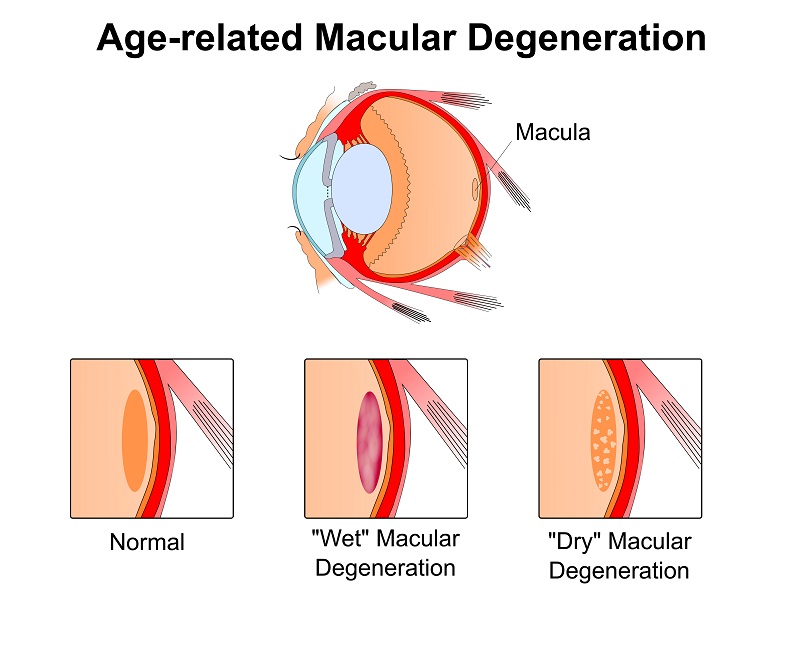
February brings us another reason to take better care of our eyesight. Age-Related Macular Degeneration Month was designed to spread awareness of a common problem. This condition is the leading cause of vision loss among patients over age 60 in the United States. Nearly 11 million people throughout the country are affected. That statistic is projected to grow to almost 22 million over the next 30 years.
What is Age-Related Macular Degeneration?
Age-related macular degeneration, or AMD, describes a damaged macula, which is part of the retina. There are two different types. The first is dry AMD. This is the most common type, making up around 80% of all cases. Dry AMD happens when the macula thins as a person ages. Drusen, or tiny clumps of protein, start to grow, causing central vision loss. There is currently no treatment available for this condition.
The second type is wet AMD. While it isn’t as common, it is more serious than the dry version. Abnormal blood vessels may begin to grow underneath the retina. If they leak, they can cause macula scarring. Loss of sight happens much faster with wet AMD. Patients often do not realize what’s occurring until their vision is very blurry.
Symptoms of Age-Related Macular Degeneration
Patients who are in the early stages of age-related macular degeneration may notice no signs that anything is wrong. The first symptom reported is usually a change in vision quality or the appearance of straight lines that look distorted. This can eventually become a significant loss of central vision.
Protecting Yourself from Age-Related Macular Degeneration
The best way to protect yourself from age-related macular degeneration is to live a healthy lifestyle and schedule regular ophthalmologist appointments. Keeping your doctor up to date will ensure that changes are discovered as early as possible. Contact Grosinger, Spigelman & Grey Michigan’s Leading Eye Care Physicians today to schedule a comprehensive, dilated exam.
#GrosingerSpigelmanGrey #EyeMichigan #MichigansLeadingEyeCarePhysicians #MacularDegeneration