

Grosinger, Spigelman & Grey wish our patients, friends and family who celebrate a joyful Hanukkah.
Grosinger, Spigelman & Grey wish our patients, friends and family who celebrate a joyful Hanukkah.

Artificial intelligence (AI) is no longer a fictional dream of the future. It’s here, and it is in use in many unexpected places. It’s shown significant promise in the world of medicine. It’s even found a variety of applications in ophthalmology.
Detecting Diabetic Retinopathy with AI
Diabetic retinopathy can appear without any symptoms. An early diagnosis is critical. Ophthalmologists will be turning to AI technology to help diagnose patients with the FDA-approved IDx-DR analyses eye images that are captured with a retinal camera.
The software recognizes signs of diabetic retinopathy and alerts the doctor that treatment may be needed. A study was published in 2018 in the American Academy of Ophthalmology’s official journal that found that AI can accurately detect the early signs of diabetic retinopathy.
Software Can Detect Macular Degeneration
Macular degeneration is another concern that may not show symptoms until it has progressed. Patients may report blurry vision and a loss of central vision. More than 10 million people in the United States have macular degeneration.
A study was published in the February 2018 edition of Cell Magazine that found AI-based software can identify the signs of macular degeneration. The technology was taught using expert-chosen images. Using these clear diagnostic examples, the software could learn to assist ophthalmologists when evaluating patients. Computer systems also tend to work quickly and with less risk of human error.
Grosinger, Spigelman & Grey is abreast of the most current research available and is trained in the newest technological developments and equipment to bring our patients the best available care possible. Contact our Bloomfield Hills offices today to schedule your eye exam.

Eye disease can completely change a person’s life. The term refers to any condition that affects the eyes. These can include cataracts, optic nerve disorders, retinal disorders, and macular degeneration. Some are brought on by other conditions, like diabetes. Others could be directly related to the choices we make.
While we can’t do much about genetics, we have total control over our lifestyle choices. What choices can you make that will help lower your risk of developing eye disease in your lifetime?
Contact Grosinger, Spigelman & Grey in Bloomfield Hills to schedule an exam and learn more about reducing your risk of eye disease.

Many people’s lives are closely tied to electronic devices. From desktop computers to mobile phones, we’re often staring into bright screens – sometimes for hours. These handy little gadgets allow us to work, find entertainment, and connect with others. However, they can also cause problems with our eyes.
What Is Computer Vision Syndrome?
Computer Vision Syndrome, or Digital Eye Strain, refers to a list of eye problems that are caused by prolonged exposure to a mobile phone, tablet PC, or other computer. This occurs when the patient stares at a digital screen for a long period of time without a break. The longer the patient subjects their eyes to this type of activity, the worse discomfort will become. Common symptoms include:
How to Prevent Computer Vision Syndrome
The first thing you should do is give your eyes a break when viewing a screen. The average American employee looks at a computer for seven hours each day. The 20-20-20 rule should always be applied whether you’re working for an hour or several. This rule states that you should look at something that is 20 feet away for at least 20 seconds once every 20 minutes. This short break can help prevent the symptoms of Digital Eye Strain.
Also, make sure your workspace is eye-friendly. Make sure there is adequate lighting, and you are sitting the recommended distance away from your monitor or device. Use ergonomic seating and make sure you are wearing the correct prescription if you need glasses or contacts.
Contact Grosinger, Spigelman & Grey in Bloomfield Hills, Michigan for an appointment.
Grosinger, Spigelman & Grey extends warm wishes on Thanksgiving to all of our valued patients, family and friends.
Our doctors and staff are thankful to serve Bloomfield Hills and the surrounding area as a leader in eye care and vision health. Whether you stop in for a routine checkup, or trust us and our expertise for a needed surgery or procedure, we are appreciative to have you in our extended family of patients. This time of the year is so special to us, and we hope you take time to cherish the people in your lives like we try to do every day.
A diagnosis of Type 2 Diabetes is rapidly increasing throughout the world. This disease is typically preventable and if left untreated can effect your overall health including your eyes. Diabetic eye disease worsens as time passes and can cause eye damage and the ability to see. Conditions that can develop due to diabetes include diabetic retinopathy, diabetic macular edema, cataracts, and glaucoma. If you have been diagnosed with diabetes, it is important that you also make an appointment with an ophthalmologist to manage the progression. Contact Grosinger, Spigleman & Grey located in Bloomfield Hills, Michigan to schedule an appointment.


Our bodies change as we age. Those changes extend to our eyes. It’s important to understand what is happening so you can learn how to overcome the challenges of growing older.
Seeing After Age 40
Many adults notice diminished eyesight by the time they reach their early to mid-40s. This usually causes problems when seeing objects that are close by, like when reading a book or newspaper. This condition is known as presbyopia.
You may be able to adapt by holding your reading material farther away from your face. Some adults may need prescription glasses. You may be at a higher risk for developing presbyopia if you:
Signs of Age-Related Eyesight Changes
The number of symptoms and level of severity will vary from one patient to the next. The following, lists common signs that your eyesight changes are age-related:
Signs Your Vision Problem Isn’t Age-Related
Just because you are over age 40 doesn’t mean your vision change is age-related. Seek medical advice right away if you notice any of the following symptoms:
Even if you suspect your changes are related to age, you should still talk to an ophthalmologist. It is important to make sure there are no other underlying causes and recommend the best way to address the problem. Contact Grosinger, Spigelman & Grey Bloomfield Hills offices now to schedule your eye exam.
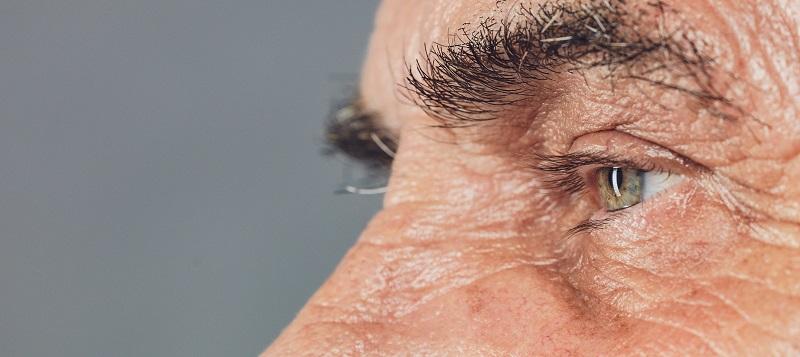
The choices you make in life affect your health. That includes your eyesight. Establishing better habits now will pay off in the future. The following list will help you get started so that you can keep your vision for as long as possible.
See Your Eye Doctor
There are many factors involved in determining your risk. It is best to talk to a professional who can assess your eye condition and lifestyle and make recommendations. Contact Grosinger, Spigelman & Grey ophthalmologists today to schedule an appointment.
When you visit a doctor for the first time, they will most likely ask about your family history. That’s because many conditions can be hereditary. The same goes for your eyes. Some diseases can be passed down genetically. Knowing all of your risk factors will better equip your ophthalmologist when diagnosing problems or choosing treatments.
What Are Hereditary Eye Diseases?
A hereditary disease causes approximately 60% of blindness in infants. As many as 40% of patients diagnosed with ocular misalignment (strabismus) have family history of the disease. We currently know of over 350 hereditary eye conditions that affect people across the world. The list includes:
Genetics can also play a role in common vision problems. Researchers have found that there is a connection between family history and refraction errors like nearsightedness and farsightedness.
What Do I Do If I Have Eye Disease in My Family History?
While we can’t necessarily fix a genetic problem, we can use that information to make better health choices.
The first thing you should do is learn about your family history. Find out if you have a genetic predisposition for any disease. You should cover everything because some conditions can have side effects that damage the eyes. Talk to your family members and let your primary care doctor and your ophthalmologist know what you find.
Next, you should learn as much as you can about the conditions and what causes them. Some lifestyle choices could increase risk. Things like smoking, excessive drinking, and obesity could make you more likely to develop the condition. Manage the factors you can change to keep your overall risk at a minimum.
Schedule regular ophthalmologist appointments. An eye care professional can monitor your health and watch for early signs of disease. Contact Grosinger, Spigelman & Grey Bloomfield Hills offices to schedule your visit.