

We love and are honored to have you as our patient.
We love and are honored to have you as our patient.

The answer; not really BUT it is ill advised to force your eyes open in excessively frigid temperatures especially with gusty winds as your cornea can freeze or your contact lenses can freeze to your eyeball.
Luckily, any damage usually heals within weeks if not sooner, but not always. There are those that have tissue loss and need restorative surgery. So, it is best when outdoors in extreme cold temperatures like we are experiencing now to wear proper goggles or eye wear to protect your eyes.

Postoperative care after cataract surgery isn’t as scary as it sounds. In fact, the process is usually quick and easy. The procedure without complications takes around 10 minutes to complete. So what happens after the ophthalmologist is finished working on your eyes?
Immediately After Cataract Surgery
You will be moved into a recovery area immediately after cataract surgery. This is a safe, comfortable place for you to wait until sedation or anesthesia begins to wear off. This part of recovery usually takes between 30 and 60 minutes.
Once you have recovered enough to head home, you will need someone available to drive you. You will not be able to drive immediately after your appointment. Rest is recommended when you get home. Your doctor will advise you on whether or not you need to keep a protective shield over your eye.
Adaptation After Cataract Surgery
Recovery is quick, but there is a period of adaptation after cataract removal. At first, you may notice cloudy, blurry, or distorted vision. Your eye will need to adjust to the intraocular lens that was added.
Patients often describe wavy effects in their vision. This should only continue for about an hour or so. If it persists, you should contact your ophthalmologist.
Your eyes may look bloodshot as well because of blood vessel damage that occurs during the procedure. This is normal and will go away over the course of several days. You may also see bruising on the skin under the eye that can occur if you received an anesthesia injection.
Many experience clear vision hours after surgery. Some may need as much as a week before they start seeing images in sharp focus. You will be provided postoperative care instructions after cataract surgery before going home.
Contact Grosinger, Spigelman & Grey to make an appointment for your cataract surgery procedure.

Age-related macular degeneration, also known as AMD, is a common eye condition. It is the primary cause of vision loss in adults over the age of 50. It happens when the central area in the retina deteriorates. At first, most patients experience no vision loss. That will change as the patient progresses into later stages of AMD.
What do you need to know about this common condition?
Have You Been Checked for Macular Degeneration?
If you haven’t been checked for macular degeneration, now is the time to do so. Even if you aren’t in the highest risk age group or you have experienced no changes in sight, you should still have an ophthalmologist examine your eyes. Contact Grosinger, Spigelman & Grey located in Bloomfield Hills to make an appointment.

LASIK eye surgery is very beneficial for people with less than perfect vision. It helps patients see without the aid of glasses or contacts. If you have decided to go this route, then there are a few things you should know before your appointment. The following tips will help you get ready, so you can relax when it’s time for surgery.
Make sure you give yourself extra time to arrive at your appointment. You should be in the office and ready to go on time. Having some spare minutes will help account for potential traffic or other delays and reduce anxiety of running late.
If you usually drink soda, coffee, or other caffeinated beverages – skip them on your surgery day. It might be best to avoid them the day before as well if caffeine has a strong effect on you. This will allow you to relax when it is time for your LASIK eye surgery.
No children should be present when you undergo LASIK eye surgery. Going without the little ones will reduce stress and avoid accidental injury during post-op. Make sure you have a trusted babysitter lined up who can watch the kids for you.
You will feel fine after the procedure, but you will not be able to drive. Arrange to have a responsible adult there to drive you home and help you get settled in afterward. Your doctor can advise you when it is safe to drive again.
Talk About LASIK Eye Surgery with an Ophthalmologist
Find out if LASIK is the best option for you by speaking to a professional. Our ophthalmologists, Drs. Grosinger, Spigelman & Grey are available to evaluate your vision and recommend the best corrective treatment for you. Call us today to learn more about preparing for and undergoing corrective eye surgery.
Dr. Alan Spigelman discusses his practice which is eye care.
How to deal with symptoms as you get older such as cataracts, glaucoma, and issues with your retina.
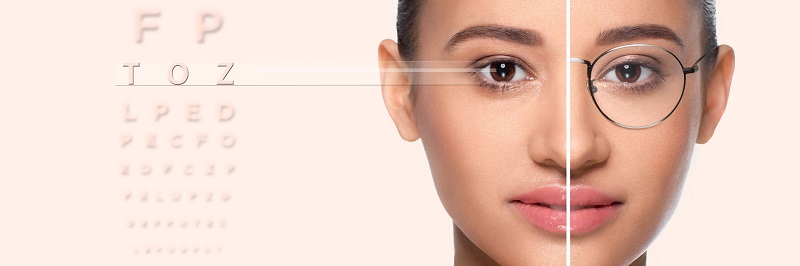
Everyone wants perfect eyesight. It’s much easier and less expensive never to have to buy glasses or contacts (unless you are doing so as a fashion statement). Laser eye surgery is very effective to correct many vision problems. Some people believe that they can naturally increase vision correction through exercises and relaxation techniques. Can this be true?
Can I Correct Nearsightedness or Farsightedness Naturally?
The short answer is no. You cannot correct nearsightedness or farsightedness using exercises and other natural methods. A 2013 report published by the American Academy of Ophthalmology found that there was no improvement for people trying to use exercises and similar techniques to correct poor eyesight or other issues caused by disease.
What Can Natural Vision Correction Exercises Do?
Eye exercises may not be a magic fix-all for poor eyesight, but they do offer other benefits to some patients. Some eye doctors use this method as a physical therapy treatment that can benefit the brain and eyes.
Visual therapy won’t help things like nearsightedness, farsightedness, or astigmatism, but it can assist with other issues. Patients with convergence insufficiency may benefit. This condition means that the eyes have a difficult time moving together when focusing on an object that’s moving closer to the viewer. It can result in double vision and eye strain. Some believe that visual therapy can have a positive effect on this type of condition.
If you would like to learn more about LASIK vision correction that will actually reduce or eliminate your need for glasses or contact lenses, schedule an appointment with Grosinger, Spigelman & Grey Michigan’s Leading Eye Care Physicians located in Bloomfield Hills. Our ophthalmologists can assess your eyes and determine the best treatment including LASIK for clearer sight. We offer 0% down and 0% interest for 12 months.
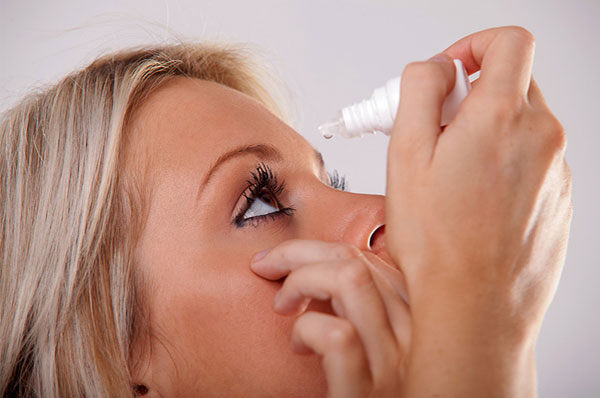
Dry eye syndrome happens when there is not enough lubrication to moisten the surface of your eye. You may experience burning, itching, aching and eye fatigue. This condition can also affect your vision, causing light sensitivity and blurriness. What can you do to care for dry eyes?
Schedule an appointment with Grosinger, Spigelman and Grey Michigan’s Leading Eye Care Physicians in Bloomfield Hills to address the cause of your dry eyes. We can provide sound advice that will help you get the relief you need.

The sun brings us many wonderful things. It keeps us warm, brightens our days, and allows things to grow. Unfortunately, it can be harmful if you get too much of it. The following tips will help you protect yourself during UV safety month.
Always wear sunscreen that comes with SPF protection. The label should read SPF 30 and also say “broad-spectrum” to prevent damage. The term means that the product protects you from both UVA and UVB rays. Apply sunscreen at least 15 minutes before going outdoors and again once every 80 minutes. Apply more often when swimming or sweating.
Clothing and accessories can also block UV rays. Wear long sleeves or pants when it is comfortable to do so. Wide-brimmed hats will help shield your eyes and face.
The most intense sunlight hours of the day are between 10 am and 2 pm. Avoid spending excessive time outdoors during this period. If you need to be outside, make sure you wear sunscreen and anything else you need to prevent damage.
Wear sunglasses with total UV protection. The label should specifically mention this to ensure that they are strong enough to do the job. Avoid staring up at the sky while the sun is up, even if you are wearing sunglasses.
Some cosmetics include built-in UV protection. These are great for helping protect skin while going about your day. You may still come in contact with sunlight when driving or spending a few minutes outside on your lunch break.
UV rays are not blocked by clouds. Even if it is overcast outside, continue to protect yourself. Skin and eyes can become damaged if you aren’t careful about sunlight.
Your ophthalmologist can help you learn more about sunlight safety and your vision. Contact Grosinger, Spigelman & Grey Michigan’s Leading Eye Care Physicians located in Bloomfield Hills, Michigan to schedule an appointment.